Step by step guide to conditioning stems like a professional florist
Posted on 26/09/2026
Step by Step Guide to Conditioning Stems Like a Professional Florist
If you have ever brought flowers home, cut the stems, and still watched them wilt too soon, you are not alone. Conditioning is the bit that turns "fresh enough" flowers into arrangements that actually last. In this step by step guide to conditioning stems like a professional florist, you will learn how to prepare stems properly, why each stage matters, and how to avoid the small mistakes that quietly shorten vase life.
Truth be told, most people skip one or two steps because they seem fiddly. But florists know the difference is obvious by day two: better water uptake, firmer petals, cleaner-looking blooms, and less mess in the vase. Whether you are arranging birthday flowers, sympathy flowers, or just trying to make a supermarket bunch behave itself, the process is simple once you understand it.
Quick takeaway: conditioning is not just trimming stems. It is a sequence of hydration, cleaning, cutting, sorting, and careful placement that helps flowers recover from transport and start drinking properly again.
- Why conditioning stems matters
- How the process works
- Key benefits and practical advantages
- Who this is for
- Step-by-step guidance
- Expert tips for better results
- Common mistakes to avoid
- Tools, resources and recommendations
- Law, compliance, standards, or best practice
- Options, methods, or comparison table
- Case study or real-world example
- Practical checklist
- Conclusion
- Frequently asked questions
Why Step by step guide to conditioning stems like a professional florist Matters
Conditioning is the difference between flowers that merely look good on arrival and flowers that keep looking good. A stem is a living piece of plant material, even after it has been cut. Once it is harvested, it starts losing moisture immediately and the cut end can seal over, trap air, or collect bacteria. That is why florists treat stems before arranging them.
In practice, conditioning gives the flowers a reset. It removes damaged foliage, opens a fresh channel for water, and helps the blooms recover from dehydration during transport. If you have ever seen a bunch perk up after a few hours in clean water, that is conditioning doing its thing.
It also matters for presentation. A well-conditioned stem sits straighter, opens more evenly, and is less likely to droop into the vase. For event work, wedding flowers, or sympathy tributes, that consistency matters a lot. Nobody wants a bouquet that looks tired before the tea is even poured.
There is another reason too: waste. Better conditioning usually means fewer bent heads, fewer slimy vases, and fewer flowers discarded early. That is good for your budget and, frankly, less annoying all round.
How Step by step guide to conditioning stems like a professional florist Works
The process works by removing barriers between the flower and the water. A freshly cut stem needs a clean, angled cut so it can absorb water efficiently. It also needs free access to the water line, which means stripping away leaves that would otherwise sit below the surface and rot. Then the flowers need time in a cool, clean place so they can rehydrate gradually.
Different flowers respond in slightly different ways. Woody stems, soft stems, hollow stems, and sap-heavy stems all need slightly different handling. A rose will not be treated in exactly the same way as a tulip or a chrysanthemum, and that is normal. Florists work with those differences rather than against them.
The basic principle is easy: reduce damage, maximise water uptake, and slow down decay. Once you get that right, everything else becomes much easier. A good florist is not just arranging colour. They are managing water, temperature, and stem health behind the scenes.
Expert summary: conditioning is really about helping the flower recover from stress. If the stem can drink properly, the flower can do its job properly. Simple, but that is the whole game.
Key Benefits and Practical Advantages
Professional conditioning offers benefits that are easy to see and even easier to appreciate once you have tried it properly.
- Longer vase life: well-prepared stems usually last longer because they take up water more effectively.
- Better bloom quality: petals open more evenly and heads are less likely to collapse early.
- Cleaner water: removing foliage below the water line helps reduce bacterial growth.
- Fewer wilted stems: a fresh cut and proper hydration improve stem posture and reduce drooping.
- Better arrangement shape: conditioned flowers are easier to style and easier to balance in a vase or bouquet.
- Less waste: fewer flowers fail prematurely, which matters whether you are buying a single bunch or preparing a larger order.
There is also a subtle practical advantage: conditioned stems are easier to work with. When you are creating an arrangement late in the day, or assembling flowers for a busy occasion, you will notice the flowers behave better. Less chasing floppy stems around the table. Less rework. A bit less chaos. Lovely.
Who This Is For and When It Makes Sense
This guide is useful for anyone who wants flowers to last longer, but it is especially helpful if you are:
- arranging flowers at home
- buying gifts that need to stay fresh for several days
- preparing wedding, event, or sympathy flowers
- working in retail floristry and want more consistent results
- handling mixed bouquets with different stem types
- trying to rescue flowers that look a little tired after delivery
It makes sense whenever you want the arrangement to look its best, not just at the moment you hand it over. That includes everyday flowers, but also those occasions where a sloppy stem line would be noticed immediately. Weddings, funerals, anniversaries, new baby bouquets, and office displays all benefit from proper conditioning.
If you are ordering from a florist such as flower care guidance or choosing seasonal stems from all flowers, conditioning is the practical step that helps you get full value from the blooms you receive.
Step-by-Step Guidance
Here is the method florists usually follow, in a form you can use at home without fancy equipment. It is not complicated, but the order matters more than people think.
1. Start with a clean work area
Use a clean bucket, vase, knife, or pair of secateurs. Dirty containers can undo the whole effort quickly. Even a tiny film of residue can encourage bacteria, and once that starts, the water goes off faster than it should. A quick wash with warm water and a little detergent usually does the job.
If you are conditioning several bunches, keep your worktop clear and separate the flowers by type. It saves time later. And yes, it stops the stems from tangling like a bag of charger cables.
2. Unwrap the flowers gently
Remove packaging carefully so you do not bruise petals or snap soft stems. Many flowers are shipped with protective wraps that help during transit, but they do not belong in the vase. Check for any crushed blooms, bent stems, or leaves that look damaged.
This is the point where you assess the whole bunch. You are looking for flowers that are thirsty, stems that are split, and any foliage that will sit below the water line. A quick inspection here saves you trouble later.
3. Remove lower leaves and weak foliage
Strip off any leaves that would be below the water line. If leaves sit in water, they break down and feed bacteria. That bacteria clogs stems and shortens vase life. Clean stems are healthier stems.
Do not over-strip, though. Some foliage helps support the flower and contributes to the overall look of the arrangement. The aim is balance, not bare stalks.
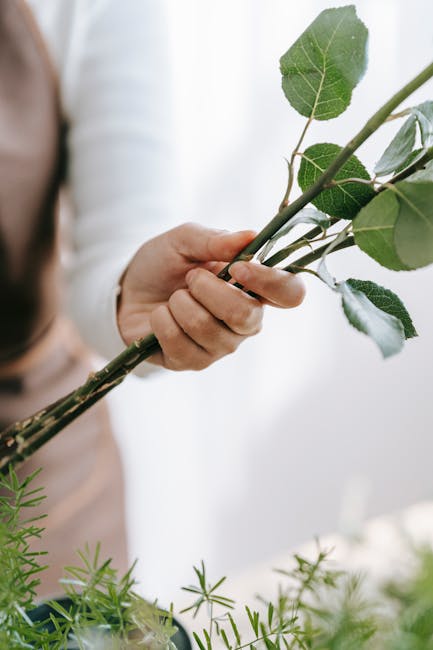
4. Recut each stem at a sharp angle
Use a sharp knife or clean floral snips to trim 1 to 3 centimetres from the bottom of each stem. Cut at a 45-degree angle if the stem type allows it. The angle gives a larger surface area for water uptake and helps prevent the stem from sitting flat against the vase base.
Always cut with a clean blade. Crushing the stem end is a common mistake, and it can block water uptake. A blunt pair of scissors does more harm than people expect. It looks harmless. It really is not.
5. Trim under water for sensitive stems if needed
Some florists recut stems under water, especially when dealing with roses or delicate flowers that are prone to air entering the stem. This helps reduce air blockage in the water channels. If you do not want to work in a sink, a bucket of clean water will do the trick.
Be careful and keep your hands steady. It sounds obvious, but when you are rushing, that fresh cut can go slightly wrong. Happens to everyone.
6. Hydrate immediately
Place the stems straight into fresh, clean water after cutting. Do not leave them lying on the counter while you answer a message or make tea. The faster they get back into water, the better.
Use cool water for most flowers unless you have a specific stem type that prefers a different treatment. Cool, clean water is the safest default for home use. If you are using flower food, mix it according to the instructions on the packet, not by guesswork.
7. Let the flowers rest in a cool place
Leave the stems to drink for a few hours, or overnight where appropriate, in a cool space away from direct sun, radiators, and fruit bowls. Ripening fruit releases gases that can shorten flower life. It is one of those annoying little details that makes a real difference.
A cool utility room, shaded hallway, or quiet kitchen corner usually works well. The air should feel calm, not warm and steamy. You want the flowers to recover, not have a little sauna session.
8. Recheck stem length and arrangement height
Once the flowers have taken up water, you can adjust the stem length again before arranging. Some blooms may need a final recut to suit the vase or display. This is especially useful for mixed bouquets where some flowers are naturally taller or heavier than others.
At this stage, think about structure. Tall stems near the centre can give shape, while shorter stems can soften the edge. Small adjustments make a surprisingly big difference to the finished look.
9. Arrange and top up water regularly
Put the conditioned flowers into their final container, then refresh the water every couple of days. If the water becomes cloudy, change it sooner. Recutting stems every few days can also help, especially for flowers that drink heavily.
If you are displaying flowers from a range like lilies or roses, this maintenance stage is where the arrangement either holds or fades. A little upkeep goes a long way.
Expert Tips for Better Results
There are a few small habits that separate "fine" results from genuinely professional-looking flowers.
- Use sharp tools every time. A clean cut is kinder to the stem than a squeeze from blunt blades.
- Keep buckets and vases spotless. Residue in the container can make water cloudy very quickly.
- Condition by flower type. Tougher stems and delicate blooms do not always need the same treatment time.
- Watch the water line. Leaves below the surface are trouble, even if they look harmless at first.
- Give flowers breathing room. Cramped stems can bruise one another and trap moisture.
- Work cool and calmly. Heat speeds up stress, and stressed flowers are more likely to fade early.
One practical florist trick is to condition flowers in groups with similar needs. For example, sturdy stems can sit together, while softer blooms get their own container. That helps you avoid overhandling, and it keeps the more delicate flowers from being pushed around by their tougher neighbours.
Another useful habit: if a stem looks slightly droopy after recutting, leave it in deep water for longer before arranging. Sometimes a flower just needs time. They are not machines, after all.
Common Mistakes to Avoid
Most conditioning problems come from a handful of ordinary mistakes. Good news: they are easy to fix once you know what to look for.
- Leaving stems out of water too long: air can enter the stem and reduce water uptake.
- Using dirty containers: bacteria builds up fast in a vase that has not been properly cleaned.
- Cutting with blunt scissors: this crushes the stem end instead of opening it neatly.
- Forgetting to remove submerged leaves: this leads to cloudy water and faster decay.
- Placing flowers near heat: radiators, sunny windowsills, and warm rooms all shorten vase life.
- Ignoring flower-specific needs: some stems are more delicate, more sap-heavy, or more sensitive than others.
One sneaky issue is overfilling the vase with too many stems. It can look lush at first, which is tempting, but crowded stems restrict airflow and make maintenance harder. The arrangement may look full, but not actually be healthy. A bit of breathing space helps.
Tools, Resources and Recommendations
You do not need a florist's workshop to condition stems well. A few basic tools are enough for most home arrangements.
| Tool | What it is used for | Why it helps |
|---|---|---|
| Sharp floral knife or secateurs | Cleanly recutting stems | Reduces stem crush and improves water uptake |
| Clean bucket or vase | Hydrating flowers | Helps keep bacteria under control |
| Fresh water | Rehydrating cut stems | Keeps flowers drinking properly |
| Flower food | Supporting vase life | Can help feeding and water balance when used correctly |
| Clean towel or cloth | Drying surfaces and tools | Useful for tidy, controlled handling |
If you want a simple place to start, look at care guidance for your flowers before arranging them. A general resource like flower care is useful because different stems can behave differently. If you are buying seasonal or occasion-based flowers, pages such as best sellers, seasonal selections are not always necessary? Actually, scratch that-use the categories you have in front of you, such as summer flowers or flowers in a vase, depending on the style you want.
In our experience, the most useful "resource" is consistency. Use the same method each time, and you will quickly notice what works for roses, lilies, or mixed hand-tieds. That is how a lot of florist knowledge is built, day by day, not in one magical moment.
Law, Compliance, Standards, or Best Practice
For home flower care, there is usually no special legal requirement around conditioning stems. The important part is basic hygiene and sensible handling. Clean tools, clean containers, and safe use of sharp blades are all common-sense best practice.
If you are conditioning flowers for a business, event, or delivery operation in the UK, you should also think about general workplace hygiene, safe storage, and clear customer communication. That includes keeping flowers fresh during transport, handling them carefully, and following any relevant policies about returns, refunds, and delivery expectations. If you are working with customer orders, the terms and conditions, delivery information, and returns policy on the website should always be read alongside your internal process.
For example, a florist preparing wedding flowers in London will usually plan conditioning time around delivery windows, ceremony timing, and the risk of heat exposure in transit. That is not a legal issue so much as a professional standard. But it matters. A lot.
As a practical baseline, many florists also maintain a tidy workspace, record any flower-specific handling notes, and separate fragile blooms from sturdier stock. If your flowers are intended for a sympathy tribute, wedding display, or corporate reception, the expectation is simple: they should arrive in good condition and stay presentable for the period promised.
Options, Methods, or Comparison Table
There are a few ways to condition stems depending on the type of flowers and the result you want. Here is a simple comparison that may help.
| Method | Best for | Pros | Things to watch |
|---|---|---|---|
| Standard recut and hydrate | Most mixed bouquets | Simple, fast, reliable | Needs clean water and proper stem prep |
| Deep conditioning in water | Thirsty or droopy stems | Gives flowers extra time to recover | Requires space and patience |
| Underwater recut | Sensitive stems prone to air blockage | Can improve uptake for certain flowers | Needs steady handling |
| Separate-by-type conditioning | Mixed arrangements with varied stems | More control over delicate blooms | Takes a little more organisation |
For most people, the standard method is enough. If you are arranging wedding work or a larger order, the deeper or separated methods can make the finish noticeably better. Not fancy. Just efficient.
Case Study or Real-World Example
Imagine a customer orders a hand-tied bouquet for a Friday afternoon delivery. It includes roses, alstroemeria, and a few mixed seasonal stems. If the bouquet is opened, recut, and placed straight into a clean bucket for conditioning, the roses will usually perk up before arrangement, and the alstroemeria will settle more evenly in the design.
Now compare that with the same bouquet left wrapped on a warm kitchen counter for several hours before being put into water. The stems may still look acceptable at first, but the edges dry out, the leaves soften, and the flowers need more recovery time. By the next day, the difference is obvious.
A small florist in a busy market setting might do this every morning before the shop opens. Bucket by bucket, stems sorted by type, scissors rinsed between batches. There is no drama to it. Just rhythm. And by lunchtime, the display looks fresher because of that early care.
That is the real value of conditioning. It is a quiet bit of work that most customers never see, but they definitely notice the result.
Practical Checklist
Use this before arranging or gifting your flowers:
- Clean vase, bucket, or container ready
- Fresh water prepared
- Sharp clean blade or secateurs
- Packaging removed carefully
- Damaged petals and leaves checked
- Any foliage below the water line removed
- Stems recut cleanly at an angle
- Flowers placed into water immediately
- Flowers rested in a cool place
- Water refreshed regularly after arranging
- Any cloudy water changed promptly
- Stems checked again if blooms start to droop
If you can tick most of those off, you are already doing better than many people who simply dump flowers in a vase and hope for the best. Harsh, but true.
Conclusion
Conditioning stems like a professional florist is less about secret technique and more about disciplined care. Clean tools, fresh cuts, the right water, and a little patience make a bigger difference than most people expect. Once you get used to the routine, it becomes second nature.
The nice part is that the reward is immediate. Flowers look fresher, last longer, and sit more beautifully in the home or at an event. Whether you are working with roses, lilies, mixed bouquets, or seasonal arrangements, the same principle holds: help the stem drink well, and the flower will usually reward you.
If you are choosing flowers for a special occasion, it is worth exploring options such as florist choice, flower delivery in Tring, or a seasonal arrangement that suits the moment. And if you need a dependable local florist, that is often the sensible next step rather than starting from scratch every time.
Get a free quote today and see how much you can save.
Good flowers feel calm when they have been properly cared for. That calmness shows, even from across the room.
Frequently Asked Questions
What does conditioning stems actually mean?
Conditioning stems means preparing cut flowers so they can absorb water properly and stay fresh for longer. It usually includes removing foliage, recutting the stems, hydrating them, and letting them rest in a cool place before arranging.
How long should stems condition before arranging?
It depends on the flower type and how dry the stems are, but a few hours is often enough for many bouquets. Some flowers benefit from longer hydration overnight, especially if they have travelled a long way or look slightly tired.
Should I cut stems at an angle or straight across?
Most stems do better with a clean angled cut because it increases the surface area for water uptake. The key is not just the angle, though. A sharp blade and immediate hydration matter just as much.
Can I use scissors to cut flower stems?
You can, but sharp floral snips or a knife usually give a cleaner cut. Blunt scissors can crush the stem end and reduce water uptake, which is the last thing you want after transport.
Why do florists remove leaves below the water line?
Leaves sitting in water break down quickly and encourage bacterial growth. That bacteria can clog stems and make the water go cloudy, so removing submerged leaves is one of the simplest ways to improve vase life.
Do all flowers need the same conditioning method?
No, not exactly. Most flowers follow the same basic process, but some are more delicate, more woody, or more sensitive to air blockages. Roses, tulips, lilies, and chrysanthemums can all need slightly different handling.
Is flower food necessary when conditioning stems?
Flower food is helpful when used properly because it supports hydration and can slow bacterial growth. It is not a magic fix, though. Clean water and good stem prep still matter most.
What temperature is best for conditioned flowers?
Cool rooms are usually best. Heat speeds up water loss and shortens vase life, so keep flowers away from radiators, direct sun, and warm kitchen spots if you want them to last.
Why are my flowers still wilting after conditioning?
If flowers wilt after conditioning, the cause may be a blocked stem, dirty water, too much heat, or flowers that were already past their best. Some stems also need a deeper recut or longer hydration to recover fully.
Can I recondition flowers that have already started drooping?
Yes, often you can. Trim the stems again, remove any damaged leaves, place them into fresh water, and let them rest in a cool area. If the flowers were very dehydrated, it may take a while before they perk up.
How often should I change the water in a vase?
Every couple of days is a sensible rule for most arrangements, though cloudy water should be changed sooner. Fresh water helps reduce bacteria and keeps stems drinking better.
Does conditioning help with funeral or wedding flowers too?
Absolutely. In fact, it matters even more for important occasions because the flowers need to look consistent and presentable for a set period. Good conditioning helps keep funeral tributes, wedding bouquets, and event arrangements looking their best.
What is the most common mistake people make when conditioning stems?
The most common mistake is probably not recutting the stems cleanly before putting them into water. Close behind that is leaving leaves below the water line. Both seem small, but both can shorten flower life quite quickly.